


An apple a day: what this fruit offers and how to include it in your diet
The saying "an apple a day keeps the doctor away" has equivalents in many languages and sums up a sensible idea: eating fruit every day is part of a healthy diet. The apple is not a miracle food, and it does not prevent disease on its own, but it has several qualities that earn it a place on the table. It is affordable, available almost all year round, keeps well and is easy to take to school or work.
What an apple contains
A medium apple, weighing about 150 to 180 g, provides roughly:
- 80 to 95 kcal, mainly in the form of the fruit's natural sugars;
- About 85% water, which contributes to hydration and to the feeling of fullness;
- 3 to 4 g of fibre, including pectin, a type of soluble fibre;
- Vitamin C and potassium, in moderate amounts;
- Polyphenols, compounds with antioxidant activity, such as quercetin, largely concentrated in the peel.
Compared with other fruits, apples are not especially rich in vitamins. Their main appeal lies in the combination of fibre, water and plant compounds in a food with low energy density.
Realistic benefits
Rather than promising miracle effects, it is worth looking at what apples can actually offer as part of a balanced diet:
- Fullness: fibre and water mean that a whole apple is more filling than the same number of calories as juice or biscuits. It makes a good snack between meals.
- Digestion: fibre supports regular bowel movements and feeds the beneficial bacteria in the gut.
- Cholesterol and blood sugar: soluble fibre, such as pectin, helps to moderate the absorption of fats and sugars. Diets rich in fruit, vegetables and fibre are associated with better heart health, but no single fruit replaces an overall pattern of healthy habits.
- Oral health: chewing an apple stimulates saliva production. Even so, it does not replace brushing your teeth, which remains essential.
The peel: eat it or not?
Whenever possible, it is worth eating apples with the peel on. That is where a large share of the fibre and polyphenols is concentrated. To do so safely:
- Wash the fruit under running water, rubbing the peel with your hands or a soft brush;
- Dry it with a clean cloth or kitchen paper;
- For young children, cut it into thin slices or grate it to reduce the risk of choking.
The seeds should be discarded, along with the core.
Practical ways to include apples every day
- As they are: whole or sliced, this is the simplest snack. To stop slices browning in a lunch box, sprinkle them with a few drops of lemon juice.
- With protein: apple slices with a tablespoon of peanut butter or a piece of cheese make a more complete snack.
- At breakfast: grated into porridge or diced into plain yoghurt with cinnamon.
- In salads: apples go well with green leaves, walnuts, grated carrot and fresh cheese.
- Sugar-free purée: simmer 4 peeled, chopped apples with 50 ml of water over a low heat for 10 to 15 minutes, then mash. Serve as a dessert or as a side for pork or poultry.
- Baked apple: remove the core, sprinkle with cinnamon and bake at 180 °C for 25 to 35 minutes, depending on size.
How to choose and store apples
Choose firm apples without soft or bruised patches. In the fridge, in the fruit and vegetable drawer, they stay in good condition for several weeks, much longer than at room temperature. It is best to keep them away from more delicate fruit, because they release ethylene, a gas that speeds up ripening. Varying the types, sweeter or more tart, helps keep things interesting, especially for children.
For a lunch box, a whole apple keeps well for several hours without refrigeration. If it is cut, it is better to put it in a closed container. You can also prepare one apple per person on Sunday, already washed and dried, in a bowl in plain sight in the kitchen: fruit that is within reach is more likely to be eaten than fruit forgotten at the back of the fridge.
In summary
The apple is a practical, inexpensive and filling fruit that provides water, fibre and antioxidant compounds, especially in the peel. It is not a miracle solution, but an apple a day is a simple way to help meet fruit recommendations, within a varied diet that includes other fruits, vegetables, pulses and whole grains.
-

100% Pure Creatine 300MG, Integralmedica
Read more -

100% WHEY CONCENTRATE
Read more -

365 by Whole Foods Market, Biotin 5000MCG, 60 Count
Read more -

365 by Whole Foods Market, Vitamin A 10K IU, 100 Softgels
Read more -

365 by Whole Foods Market, Vitamin C 1000Mg, 250 Tablets
Read more -

365 by Whole Foods Market, Vitamin D3 1000 IU, 100 Softgels
Read more -

A Ciência da Nutrição: Desmistifique os Mitos das Dietas e Aprenda a Comer Bem para Saúde e Felicidade – Edição Kindle.
Read more -

A dieta influencia a redução do cancro da mama fase I (Portuguese Edition) Paperback – May 10, 2023
Read more -

Abóbora – cheirosa – Waltham Butternut – 27 sementes – Cucurbita moschata
Read more -

Acte Sports Bicicleta Ergométrica Horizontal
Read more -

Açúcar Mascavado
Read more -

adidas Starlancer V Club Soccer Ball Team Royal Blue/White 3
Read more -

água caldas de penacova mineral 6×1.5l
Read more -

AirPods com estojo de recarga (2a geração)
Read more -

alecrim
Read more -

Alergia alimentar: alimentação, nutrição e terapia nutricional (Portuguese Edition)
Read more -

Alergias e intolerâncias alimentares (Série Universitária) (Portuguese Edition)
Read more -

alho picado
Read more -

Allergforte
Read more -

Amazon Basics Clean Plus Toothbrushes, Soft, Full, 10 Count, 1 Pack (Previously Solimo)
Read more -

Amazon Basics Standard Jump Rope
Read more -

Amazon Brand – Happy Belly Citrus Green Tea Bags, 20 Count
Read more -

Amazon Elements Vitamin E, 400 IU, 100 Softgels, more than a 3 month supply (Packaging may vary)
Read more -

Amora Biológica – emg 125g
Read more -

Anabolic Mass 28500 Baunilha 3Kg, Profit
Read more -

Animal, Whey Isolate Whey Protein Powder
Read more -

Aparelho Criolipolise Manta Queima Gordura Congela Até – 5°c Profissional
Read more -

Aparelho Tonificador Cinta Inteligente Fitness Abdominal Muscular
Read more -

Apoio para Flexão Fitness
Read more -

Apple AirPods (3ª geração) com estojo de recarga Lightning
Read more -

Arctic Ruby Oil Omega-3 com Astaxantina
Read more -

Aspectos Bioquímicos, Fisiológicos e Moleculares da Nutrição Humana – Edição Kindle em formato eletrônico
Read more -

ASPIRINA MICROACTIVE. 500 MG X 20 COMP REVEST ACETILSALICILICO (ACIDO)
Read more -

Assadeira retangular em cerâmica – Cli – Mesa
Read more -

Azeite Virgem Extra
Read more -

azeitonas
Read more -

Bagas de Goji Biológicas
Read more -

Balança Medição de água, gordura, massa muscular e massa óssea
Read more -

Balança Medição de água, gordura, massa muscular e massa óssea
Read more -

BalanceFrom GoYoga 7-Piece Set – Include Yoga Mat with Carrying Strap, 2 Yoga Blocks, Yoga Mat Towel, Yoga Hand Towel, Yoga Strap and Yoga Knee Pad
Read more -

Barra de coco e chocolate amargo
Read more -

Barra de porta ajustável para exercicios hidrolight
Read more -

Barra P/ Flexão Exercícios Treino Regulável 62 A 100 Cm Fixa
Read more -

Barra P/ Flexão Exercícios Treino Regulável 62 A 100 Cm Fixa
Read more -

Barras cetônicas de chocolate amargo
Read more -

Bastão com Rolo de Massagem e Liberação Miofascial Muvin
Read more -

Bastao de Liberacao Miofascial Ajustavel T162
Read more -

Bastão de Massagem Vollo Sports
Read more -

Batata branca
Read more -

Batata doce bio 1kg
Read more -

Batom do Cieiro Classic MyLabel emb. 2 un
Read more -

BCAA 2400 – 60 Cápsulas – Max Titanium
Read more -

BCAA 2400 – 60 Cápsulas – Max Titanium, Max Titanium
Read more -

BE STRONGER Monster, Strap Musculação Adulto Unissex
Read more -

Beats Studio3 Wireless Over‑Ear Headphones – Matte Black
Read more -
Benzetacil 1.200.000 U 1 Frasco 4ml
Read more -

Bermuda Masculina
Read more -

Bermuda Masculina Corrida Treino Academia
Read more -

Bermuda Masculina Para Treino
Read more -

Bermuda Speedo Masculina
Read more -

Bermuda, Lupo, Masculino
Read more -

BESPORTBLE Cinto de levantamento de peso
Read more -

Bicicleta Ergométrica BP-880 – Polimet – tração mecânica
Read more -

Biotina Nature’s Bounty 10.000 mcg, 250 cápsulas de liberação rápida
Read more -

Bola de Pilates 55cm Muvin – Antiestouro – Suporta até 300kg
Read more -

Bola Para Yoga Pilates Fisio Overball Liveup
Read more -

Bolas para exercícios de mão, fortalecedor de aderência de dedo
Read more -

Bolsa Adulto Unissex, Branco (White)
Read more -

Bolsa Esportiva Fitness
Read more -

Bolsa Fitness Esportiva Bag para Treino
Read more -

Braçadeira Capa Porta Celular Para Corrida
Read more -

Braçadeira Suporte Braço Celular Treino
Read more -

Cacetinho Integral
Read more -

Cachecol Touareg – verde
Read more -

Calça de ioga de cintura alta com bolsos
Read more -

Calça Masculina Esporte Corrida Treino Casual
Read more -

Calça Masculina Treino Corrida Academia Preta Com 3 Bolsos
Read more -

Calça Moletom Slin Fit Musculação Inverno Academia
Read more -

Calçado de Cardio Training 100 Mulher Preto
Read more -

Calças Adidas
Read more -

Calças de treino com cordão Poliéster para mulheres
Read more -

Calções de ciclismo,Lianai Roupa íntima feminina de ciclismo
Read more -

Camisa Dry Fit Uppercut Dry Fit Feminino
Read more -

Camisa Dry Fit Uppercut Esportiva Adulto unissex
Read more -

Camisa Dry Fit Uppercut Jiu-Jitsu Caveira Feminino
Read more -

Camisa Dry Fit Uppercut JJ VTC Feminino
Read more -

Camisa Dry Fit Uppercut Rapel Adulto unissex
Read more -

Camisa sem Mangas Para Corrida
Read more -

Camisa Térmica Poliéster E Cloropreno Para Transpirar Mais Perda de Peso Localizado Treinamento Intensivo
Read more -

Camisa Térmica Uppercut Ciclismo In Adulto-Unissex
Read more -

Camisa Térmica Uppercut Rapel Life Adulto-Unissex
Read more -

Camiseta Basic Manga Curta Feminina
Read more -

Camiseta de treino feminina
Read more -

Camiseta Esporte Treino Academia
Read more -

Camiseta Para Academia – Secagem Rápida
Read more -

Camisetas femininas de corrida para treino
Read more -

Camisola feminina para dormir
Read more -

Caneleira Peso Kit 2Kg (2 de 1Kg), Hidrolight, Multicor
Read more -

Capa Braçadeira Porta Celular Para Corrida Academia e Caminhada
Read more -

Capa De Braço Suporte Braçadeira De Celular Para Corrida e Caminhada
Read more -

Cardamomo Em Pó
Read more -

cebola
Read more -

Cefasafra 50 Cápsulas
Read more -

Cenoura Embalada
Read more -

Cereais Bran Flakes Fibra
Read more -
Cerelac Farinha Primeira Papa Arroz Sem Glúten 5M+ 250g
Read more -

Cinta facial modeladora de emagrecimento
Read more -

Cinta Modeladora Abdominal Masculina Com Infravermelho Bioquantix + Gel Queimador de Gordura
Read more -

Cinto de Agachamento Apoio Proteção Lombar Musculação Fitness
Read more -

Cinto de Agachamento Apoio Proteção Lombar Musculação Fitness Crossfit
Read more -

Cinto de Levantamento de peso – Ótimo para o Agachamento
Read more -

Cinto de levantamento de peso com travamento automático
Read more -

Cinto de musculação com corrente
Read more -

Cinto de treinamento estruturado Nike 3.0 M
Read more -

Cinto Harbinger Hexcore para musculação
Read more -

Colgate Max Fresh Toothpaste, Whitening Toothpaste with Mini Breath Strips, Clean Mint Toothpaste for Bad Breath, Helps Fight Cavities, Whitens Teeth, and Freshens Breath, 4 Pack, 6.3 Oz Tubes
Read more -

Colher De Arroz Siena Brinox Aço Inox
Read more -

Companheiro de Bolso do Balcão de Alimentos, Quinta Edição: Calorias, Hidratos de Carbono, Proteínas, Gorduras, Fibras, Açúcar, Sódio, Ferro, Cálcio, Potássio e Vitamina D ― com 30 Cadeias de Restaurantes, Livro de Bolso – 1 de março de 2022
Read more -

Conjunto com 6 Pratos Raso Biona Donna Branco Branco 24 Cm
Read more -

conjunto de faixas de resistência, para treinamento de resistência, fisioterapia
Read more -

Conjunto de pijama Gola V, Lupo, Masculino
Read more -

Conjunto de pijama masculino de cetim
Read more -

Conjunto De Roupas De Dormir Femininas
Read more -

Conjunto Pijama Feminino Curto Aberto – Roupa de Dormir
Read more -

Conjunto Pijama Masculino Básico Part.B Verão
Read more -

Continente Leite UHT Magro sem Lactose
Read more -

Continente Leite UHT Magro sem Lactose
Read more -
Continente Morango
Read more -
Continente Morango Premium Nacional
Read more -

COQUETELEIRA BLENDER BOTTLE CLASSIC V2 28OZ / 830ML – VERDE
Read more -

COQUETELEIRA DUX – FUME
Read more -

Corda de Pular Muvin Basics Tamanho Ajustável em PVC
Read more -

Cran-b Cr Com 30 Comprimidos
Read more -

Creme Retinol para o Rosto com Ácido Hialurônico
Read more -

Cronômetro à prova d’água
Read more -

Cronômetro à prova d’água cronômetro digital LCD portátil
Read more -

cronômetro digital LCD portátil cronógrafo contador esportivo
Read more -

CULTIVERS Fertilizante Corretor de Carências Múltiplas 250 g Orgânico para plantas.
Read more -

Damasco / alperce
Read more -

DERMA E Ferulic Acid Resurfacing Pads – Gently Exfoliating Wipes for Facial Radiance – Deeply Cleansing Skin Resurfacing and Clarifying Pads, 1.7 Fl Oz (50 Pads)
Read more -

Descascador de frutas – Metal da Spiralizer for Kitchen
Read more -

Descascador de frutas à prova de ferrugem
Read more -

Descascador De Frutas Com Manivela
Read more -

Descascador de frutas pesadas ferramenta de corte multifunções
Read more -

Descascador de frutas portátil
Read more -

Descascador de maçã, fatiador Corer máquina 3 em 1
Read more -

Descascador e Fatiador de Legumes e Frutas com 3 Lâminas em Aço Inox
Read more -

Descascador europeu clássico, tamanho único
Read more -

Descascador OXO 4080570013, 18Cm, Preto
Read more -

Descascador Suiço para frutas, verde, Victorinox
Read more -

Dinamômetro de aperto de mão
Read more -

Dinamômetro digital de mão (90 kg), cabo de medição precisa
Read more -

Dinamômetro digital de mão, testador eletrônico de força de aperto fortalecedor
Read more -

Disco De Equilíbrio Inflável Balance Almofada Cushion
Read more -

Disco de Equilíbrio Prancha Balance Board em PVC Yangfit
Read more -

Dispositivo de fixação de pulso de tênis
Read more -

DOENÇAS RESPIRATÓRIAS: Estude o tema com questões anteriores de provas de Especialista em Família e Comunidade. (Título de Especialista em Medicina de Família e Comunidade) (Portuguese Edition) Kindle Edition
Read more -

Dor pós-operatória na cirurgia do cancro da mama (Portuguese Edition) Paperback – May 17, 2023
Read more -

Dourada Fresca Inteira 200/600 Kg
Read more -

Dr. Zisman ZT Slimming Garcinia Dreams Night Blend Chá
Read more -
Ekolo Tomate triturado ecológico, 6 frascos x 700 g, 6 unidades, 3960 ml
Read more -

Elásticos de Resistência, 3 Peças/Kit
Read more -

ervilha
Read more -

Este não é mais um livro de dieta: O novo e libertador estilo de vida alimentar para saúde e boa forma que derruba o conceito de dietas (Portuguese Edition) Kindle Edition
Read more -

Eucerin Q10 Anti-Wrinkle Face Cream, Unscented Face Cream for Sensitive Skin, 1.7 Oz Jar
Read more -

Exercício Doméstico Emagrecimento Corporal Queima de Gordura
Read more -

Exercise Bike, Magnetic Stationary Bike for Indoor Cycling (Upgraded Version), Cycle Bike w/ 360° Rotate Ipad Holder for Home Gym, Silent Belt Drive Indoor Bike w/ Comfortable Seat Cushion, 350 lbs Weight Capacity
Read more -

Exercitador de mão reforçador de aderência ajustável 33-110 libras
Read more -

Exercitador De Pulso Aperto De Mão
Read more -

Extensor de dedo e mão para exercitador
Read more -

Extensor Elástico para Fortalecimento dos Dedos
Read more -

Farelo de Aveia
Read more -

Farinha de Mandioca sem Glúten
Read more -

farinha de milho
Read more -

Fishnure Natural Organic Odorless Humus Compost Fertilizer Value Pack (5X 1lb and 4X 8lb) – OMRI Listed
Read more -

Fone de ouvido over-ear Beats Studio3 Wireless – Azul
Read more -

Fone de ouvido Powerbeats Pro – Totally Wireless — Azul-navy
Read more -

Fortalecedor de dedo de mão, dispositivo de silicone durável, exercitador de dedo
Read more -

Frango
Read more -

Galão Body Size (1 litro) – Integralmédica
Read more -

Galão Body Size (1 litro) – Integralmédica
Read more -

Galão Darkness (2,2 Litros), Integralmédica
Read more -
Garcinia Mangostana
Read more -

Garrafa agitadora clássica BlenderBottle
Read more -

Garrafa Coqueteleira BlenderBottle para Shakes de Proteína 700 ml
Read more -

Garrafa coqueteleira clássica BlenderBottle para shakes
Read more -

Garrafa coqueteleira clássica V2 para shakes de proteína
Read more -

Garrafa coqueteleira clássica V2, para shakes de proteína e pré-treino, 800 ml
Read more -

Garrafa De Agua 1 Litro Squeeze Academia Fitness
Read more -

Garrafa Esporte Plástica De 500ml
Read more -

Garrafa Galão Cristal 1,5 litro
Read more -

Garrafa misturadora SportMixer da BlenderBottle p para shakes de proteína
Read more -

Garrafa Squeeze De Água 2 litros Fitness Motivacional TIE DYE
Read more -

Garrafa Squeeze de Água Academia 2 Litros
Read more -
Gengibre
Read more -

GINGTTO Men’s 2 Piece Tracksuit Pullover Hoodies Active Athletic Sweatsuits Casual Running Jogging Sport Suit Sets
Read more -

Gold Standard 100% Whey Chocolate 2270g – Optimum Nutrition, 2270g – Optimum Nutrition
Read more -

GP 80
Read more -

Granero Tofu cultivo biológico – 440 g
Read more -

Granola
Read more -
Gullón Tortita de Arroz sem Glúten
Read more -

GYENNO Parkinson Spoon for hand tremo, 3.9 x 1 x 1.2 inches, White
Read more -

Hand Grip Ajustavel T99 Acte Sports
Read more -

Hausfelder Bowl tigelas de cereais conjunto de 6 tigelas sopa de 750 ml tigelas de sobremesa – conjunto de tigelas cozinha de plástico
Read more -

Headset Gamer JBL Quantum One Over-Ear Preto – JBLQUANTUMONEBLK
Read more -

Hipercalórico Dark Lab (Baunilha) 3kg Ganho de Massa Muscular
Read more -

Hlily Descascador De Futas Elétrico
Read more -

Horus Pote 300G Sbor Limão Yuzu, Max Titanium
Read more -

iHealth COVID-19 Antigen Rapid Test, 1 Pack, 2 Tests Total & iHealth No-Touch Forehead Thermometer PT3
Read more -

Imã BlenderBottle único, preto
Read more -

Iogurte Líquido Ananás e Coco sem Açúcar
Read more -

Isofreak Protein 900g – 3VS Nutrition – Whey Protein Isolada – Ganho de força; Ganho de massa muscular, Fonte de BCAA. – alta concentração proteica com baixíssimos teores de carboidratos e gorduras (lactose) (Cookies)
Read more -

Isopure Zero Carb – 1361G Baunilha – Nature´S Best, Nature´S Best
Read more -

KDG Fortalecedor de aderência de mão para fortalecimento
Read more -

Kirkland Signature B12 5000 mcg., 300 Quick Dissolve Tablets
Read more -

Kirkland Signature Purified Drinking Water, 16.9 Ounce, 40 Count
Read more -

Kit 2 Blusa Feminina Academia Fitness
Read more -

Kit 2 Camisetas Masculina Treino Academia Ciclismo
Read more -

Kit 3 bermudas térmica
Read more -

Kit 3 Shorts Academia Masculina Academia
Read more -

Kit 3 Top Fitness Fashion/Para Academia Frente Dupla
Read more -

Kit 5 Bermuda Moletom Academia Costura Reforçada
Read more -

Kit colchonete + Halteres 2kg + Caneleiras 2kg Academia Fitness Musculação
Read more -

Kit com 5 Baby Doll estampas sortidas pijama feminino
Read more -

Kit Elástico Extensor Exercício Funcional Até 100 libras
Read more -

Kit fortalecedor de aperto de mão, kit de 5 peças
Read more -

Kit Natação Speedo Óculos Glypse +Touca Flat Silicone
Read more -

Kit Rolo De Liberação Miofascial
Read more -

kiwi biológico kg produto local
Read more -

LALAHIGH Portable Home Gym System: Large Compact Push-Up Board, Pilates Bar & 20 Fitness Accessories with Resistance Bands & Ab Roller Wheel – Full Body Workout for Men and Women
Read more -

Legging feminina para corrida, treino
Read more -

Lencos De Papel Renova – Vendido em Embalagem De 10 unidades
Read more -

Leucina Cápsulas – 450Mg (Natural) Suplemento com aminoácidos – BCAA
Read more -

Life Seasons – Choles-T – Suplemento Natural de Suporte ao Colesterol
Read more -
Liquidificador VitaPower Serie | 4 1200 W Preto
Read more -

Lupo Basic Camiseta, Masculino
Read more -

Luva Adulto Unissex
Read more -

Luva Fitness Academia OSP5
Read more -

Luva Musculação Treino Ajustável Unissex
Read more -

Luva protetora para levantamento de peso
Read more -

Luvas Academia Crossfit
Read more -

Luvas de Academia, Dedos de tela de toque
Read more -

Luvas de Musculação
Read more -
Luvas Nike Knitted Tech and Grip 2.0 preto – L-XL
Read more -

Maca em Pó
Read more -
Maca Shine Bio 100g
Read more -

Magnesium Breakthrough Supplement 4.0 – Possui 7 Formas de Magnésio: Glicinato, Malato, Citrato e Mais
Read more -

Manteiga
Read more -

Máquina de descascar, utensílios de cozinha
Read more -

MATINAL Leite UHT Meio Gordo 1 L
Read more -

Medidor de Glicose G-Tech Free Smart
Read more -

Meia AF CM Hidroginastica, Trifil, Adulto Unissex
Read more -

MIDEA Deshumidificador silencioso de 20 L para a humidade em quartos e armários, área de trabalho 37 m2, depósito de 3 l, desumidificador com refrigerante R290 ecológico
Read more -

milho verde
Read more -

Mini Cama Elastica Trampolim Jump Profissional
Read more -

mini cebolas
Read more -
Monchique Água sem Gás
Read more -

Natural Vision Mensal Caixa com 6 lentes (3 pares) do mesmo grau
Read more -

Navitas Organics Bag, 12 porções – Orgânico, Não-OGM, Seco ao Sol, Sem Sulfito, Goji em Pó, 4 onças (Pacote com 1)
Read more -

Neocell Super Collagen tipo 1 e 3 mais comprimidos de vitamina C, 120 unidades
Read more -

NESCAFE CLASICO Dark Roast Instant Coffee 10.5 oz. Jar
Read more -
Nestum Mel e Cereais Integrais +3A
Read more -

Neutrogena Ultra Sheer Dry-Touch Water Resistant and Non-Greasy Sunscreen Lotion with Broad Spectrum SPF 70, 3 Fl Oz (Pack of 1)
Read more -

Nivea MicellAIR Micellar Water For Normal Skin Make-Up Remover, 400 ml
Read more -
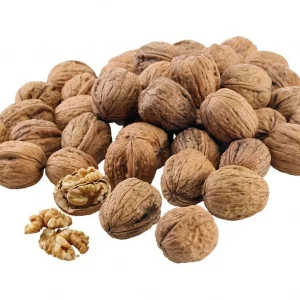
Nozes Do Alentejo Kg
Read more -

O Livro da Saúde (Portuguese Edition) Paperback – July 2, 2022
Read more -

O sensor FreeStyle Libre 2
Read more -

Obire Garcinia Cambogia , 60 Cápsulas
Read more -

Óculos Classic Speedo
Read more -

Óculos de Natação Essential VN501 3 Tamanho Único Vollo Sports
Read more -

Oculos Focus Speedo Único
Read more -

Oculos Freestyle Speedo Único
Read more -

Oculos Freestyle Speedo Único
Read more -
Óculos Prateados Executivos – para Homens – Paul Riley
Read more -

Oculos Tempest Mirror Speedo Único
Read more -

Óleo Alimentar FULA emb.1L
Read more -

Óleo de coco ecológico virgem 1000 ml. Cru e prensado a frio Orgânico e natural Óleo bio nativo não refinado. País de origem Sri Lanka. NaturaleBio
Read more -

Óleo de Linhaça Virgem
Read more -
Óleo Ktc De Côco 250ml
Read more -

Osulloc Kombucha (mistura de lichia e pêssego) + Kombucha (mistura de calamansi e manga)
Read more -
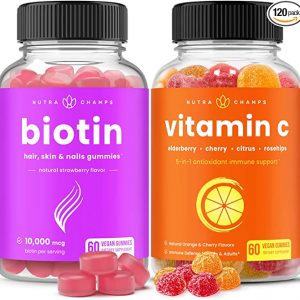
Pacote de gomas de biotina NutraChamps e (pacote com 2) gomas de vitamina C
Read more -

Par de Bolas Para Massagem, Cinza e Laranja
Read more -

Pasta de Amendoim – 600g Chocotine com Whey Protein – Dr. Peanut
Read more -

PATCHMD Garcinia Cambogia Plus Adesivo Tópico – Fornecimento para 30 dias
Read more -

Pepino em Conserva Pingo Doce 870 g
Read more -

Pete the Cat: The First Thanksgiving Capa comum – Livro de fotos, 1 outubro 2013
Read more -

Philips Water GoZero Active Bottle, Squeeze Hydration Bottle, Filtering Water Bottle
Read more -

Pijama Feminino Americano aberto com botões
Read more -

Pijama Feminino Americano de Frio com Botões Blusa manga Comprida
Read more -

Pijama Homem Plus Size Conjunto Roupa De Dormir Verão
Read more -

Pijama Manga Longa Algodão, Mash, Masculino
Read more -

PIJAMAS 1G, Hering, masculino
Read more -

Pimenta
Read more -

Plano de Sumos Detox
Read more -

Pochete Esportiva Corrida Porta Celular
Read more -

Pochete porta garrafa e acessórios
Read more -

Polar Unite – Relógio Fitness, Monitor de Frequência Cardíaca
Read more -

Polar Unite, Relógio com Frequência Cardíaca
Read more -

POLIMET Haltere Pintado, Unissex Adulto
Read more -
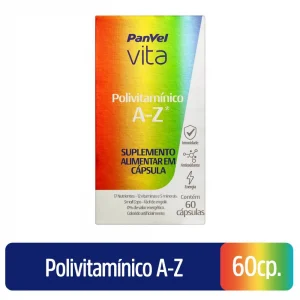
Polivitamínico A Z Panvel Vita 60 Cápsulas
Read more -

Polpa brasfrut de fruta graviola 100g
Read more -

Power Fin
Read more -

Prática de Enfermagem em Nutrição: Fundamentos Essenciais – 9ª Edição, Edição Kindle.
Read more -
Principais consequências da obesidade
Read more -

Pro Pet Works All Natural Soap Free 5 in 1 Oatmeal Dog Shampoo and Conditioner-Deshedding Formula for Dandruff Allergies & Itchy Dry Sensitive Skin-Puppy Grooming for Smelly Dogs -17oz
Read more -

Protecao De Coxa
Read more -

PROTECAO DE JOELHO TAMANHO M
Read more -

Protein2o Low Calorie Whey Protein Drink Plus Energy, Pacote de Variedades, 16,9 Oz 12Count & Água com Infusão de Proteína de Baixa Caloria, 15g de Proteína Whey Isolada, Bagas Mistas
Read more -
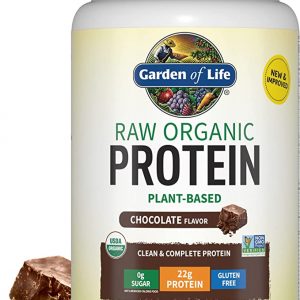
Proteína de Chocolate Vegana Orgânica em Pó
Read more -

Protetor De Ouvido De Silicone – 4 Peças Hammerhead Unissex
Read more -

Prozis Chocolate de Leite Zero 30 g
Read more -

Queijo Mozzarella de Búfala
Read more -

Queijo Parmigiano Reggiano Ralado
Read more -

Reduza a ingestão de alimentos com alto colesterol naturalmente
Read more -

Refrigerante com Gás Cola Zero
Read more -
REINA Iogurte Grego Natural 500 g
Read more -

Relógio Polar Ignite 2
Read more -

Roda Exercícios Abdominal Funcional Rolo Fitness Treino
Read more -

Roda Larga para Exercícios Abdominal com Tapete de Apoio
Read more -

Rolo de Liberação Miofascial Acte Sports T141
Read more -

Rolo de Massagem 3 em 1 T115
Read more -

Rolo de Massagem Liberação Miofascial e Pilates
Read more -

Rolo Massagem Liberação Miofascial Foam Roller Soltura Yoga Pilates
Read more -

Sal
Read more -

salsão
Read more -

Salvia Branca Importada – Defumador Natural Bastão 11cm – 30g
Read more -

Sevenhills Wholefoods Cacau em pó orgânico 7hcacpow3 2 kg
Read more -

Shaker Garrafa 700ml com Rede Misturadora
Read more -

Short feminino de treino para ioga
Read more -

Short Térmico
Read more -

Shorts de cintura atlético para treino feminino
Read more -

shorts de ioga leggings fitness
Read more -

Shorts de treino feminino
Read more -

Shorts Performance, Puma, Masculino
Read more -

Shoyu Biológico 1L – A Finestra Sul Céu – 1 l, alimentação macrobiótica, 1000 mililitro, 1
Read more -

SIMZRA Youth Tracksuit Pullover Hoodie Jogging Pants Set 2 Pieces Sweatsuit for Boys Girls
Read more -

Sinister Mass Baunilha – 3Kg
Read more -

Sotya Sono Complex 550 Mg 60 Cápsulas
Read more -

Speedo Acqua Plus, Sunga Masculino, Preto (Black), GG2
Read more -

Speedo Massage Touca, Adulto Unissex
Read more -

Speedo Massage Touca, Adulto Unissex
Read more -

Speedo Massage Touca, Adulto Unissex
Read more -

Speedo Massage Touca, Adulto Unissex
Read more -

Speedo Performance Maillot, Feminino
Read more -

Speedo Touca
Read more -

SPLENDA Diabetes Care Shakes – Meal Replacement Shake, French Vanilla, 8 Fl Oz (Pack of 24)
Read more -

Sunga Boxer Mash com Bolso UV50+ Poliamida Masculina Adulto
Read more -

Suplementos NOW, Magnésio 400 mg, Função Enzimática*, Suporte ao Sistema Nervoso*, 180 Cápsulas Vegetais
Read more -

Suporte de Flexão Vollo Sports
Read more -

T-shirt
Read more -

Tapete Colchonete (Yoga, Pilates, Fitness, Ginástica) 1m x 50cm x 10mm
Read more -
TEAZEN 5 Sabores 50 Sticks Variety Pack, Kombucha Pêssego, Abacaxi, Limão, Cítrico, Sabor Berry (8,8 oz, 50 Sticks)
Read more -

Tênis
Read more -

Tênis Adidas Feminino Duramo 10
Read more -

Tênis de Caminhada Feminino
Read more -

Tênis de Corrida Flyer Beta BDP, Puma, Unissex
Read more -

Tênis Everlast Climber III
Read more -

Tenis Feminino Academia Caminhada Esporte
Read more -

Tênis Fila Racer One, Feminino
Read more -

Tênis Index 2, Olympikus, Masculino
Read more -

Tênis Masculino Academia e Corrida Esportivo
Read more -

Tenis Masculino Esportivo Caminhada Leve
Read more -

Tenis Masculino Sapatilha Náutica Pesca Praia Treking Hibrido Terra e àgua
Read more -

Tênis Mizuno Feminino Cool Ride
Read more -

Tênis Treino Academia e Caminhada Movement SV
Read more -

Tetley Infusão Camomila Saquetas
Read more -

The Diabetes Code Cookbook: Delicious, Healthy, Low-Carb Recipes to Manage Your Insulin and Prevent and Reverse Type 2 Diabetes (The Wellness Code)
Read more -

The Fruit Company Orchard Celebration Fruit Basket
Read more -

The Super Mario Bros. Movie
Read more -

Theo Chocolate Mint Organic Dark Chocolate Bar, 70% Cacao, 1 Pack | Vegan, Fair Trade
Read more -

Timeolate
Read more -

tomate
Read more -

Tomate Cherry Vermelho
Read more -
Tomates
Read more -

Tomilho
Read more -

Top Whey Bar – 12 Unidades de 41g Chocolate com Avelã – Max Titanium
Read more -

TOPMAX KN95 Face Masks 50 Pack 5-Ply Breathable Filter Efficiency≥95% Protective Cup Dust Disposable Masks Against PM2.5 Black
Read more -

Tornozeleira Ortopedica Estabilizadora Compressão Elastica
Read more -

Touca de Natação 3D PU Rosa Vollo Sports
Read more -

Touca de Natação Vollo PU VN401-3 Adulto
Read more -

Touca de Natação Vollo Silicone Adulto
Read more -

Touca Natação Silicone Vollo Sports Preta
Read more -

Touca Silicone Flat Brasil
Read more -

Trampolim Elastic Jump Polimet POLI-103 Unissex Preto
Read more -

Transtornos Alimentares e Neurociência (Portuguese Edition)
Read more -

Treinador de força de aderência, exercitador de dedos
Read more -

UEGOS Y PASATIEMPOS PARA NIÑOS 4-7 AÑOS: +140 JUEGOS EN COLOR. Lógica y enigmas, crucigramas, laberintos, intrusos, diferencias, rompecabezas, une los puntos y mucho más!
Read more -

Uppercut Surf, Camisa UV Meninas E Meninos, Preta (Black), 8 Anos
Read more -
Vaso Selene cerâmica
Read more -

Veinox – 120 Cápsulas, Power Supplements
Read more -

viraball Physiotherapy Vibration Therapy Ball – Physical Therapy for Hand Tremor Reduction (Parkinson) with Rechargeable Battery – Hands Tremor Reduce & Stress Relief Vibrating Therapy Ball
Read more -

Whey Isolate Protein Fuse 900g + Creatina Fuse 300g Dark Lab
Read more -

X Preworkout Citrus Punch, Athletica Nutrition, 450g
Read more -

Xiaomi Mi Smart Band 6
Read more -

YOGA Legging Feminina de Treino
Read more -

YOGOURMET Dried Yogurt Starter 0.17 Ounce (Pack of 1)
Read more -

Calções
Read more

I am Barbara Antunes, the creator of this blog. I am passionate about providing tips for healthy eating and strategies for a balanced life. I have dedicated my time and knowledge to share valuable information about proper nutrition and promoting a healthy lifestyle. My journey has been a constant quest for knowledge in the field of nutrition, and I am excited to share these findings with you. I believe that nutrition plays a fundamental role in promoting well-being and achieving a balanced life. My approach is based on practical tips and guidance to help readers make conscious choices about their diet. With love and dedication, I strive to bring relevant information about nutrition and healthy eating. Through this blog, I hope to provide helpful insights, practical tips, and guidance to help you achieve a healthier life. Join me on this journey of care and love for nutrition, where we will explore the benefits of a balanced diet and strive for a fulfilling and healthy life. I am eager to share my knowledge with you!